Strawberry Tree Seeds (Arbutus unedo) Rare Evergreen Garden Fruit Plant
Strawberry Tree Seeds (Arbutus unedo) Rare Evergreen Garden Fruit Plant
Couldn't load pickup availability
Strawberry Tree Seeds (Arbutus unedo)
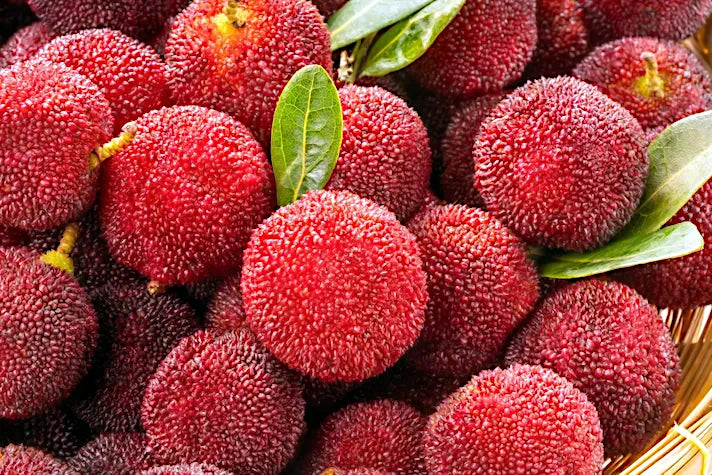
The Arbutus unedo, commonly known as the Strawberry Tree or Irish Killarney Strawberry Tree, is a highly ornamental evergreen shrub or small tree prized for its unusual red fruits, attractive bark, and year-round beauty. Native to the Mediterranean region and parts of western Europe, this rare species has long been cultivated for both ornamental landscaping and edible fruit production.
Known for its multi-season interest, the Strawberry Tree produces clusters of delicate urn-shaped white to pale pink flowers from autumn into winter while simultaneously displaying bright orange-red fruits from the previous season. This unique overlapping display of flowers and fruit makes it one of the most visually distinctive evergreen shrubs in cultivation.
The compact dense branching structure is complemented by glossy dark green foliage and striking cinnamon-colored bark that becomes increasingly ornamental with age. Mature fruits are round and textured with a knobby surface, gradually ripening into deep orange-red berries.
The edible fruit has a sweet mildly tangy flavor often compared to apricot, guava, and other wild Mediterranean fruits with subtle earthy undertones. Fruits may be eaten fresh or used in preserves, beverages, and traditional regional recipes.
🌱 Growing & Care Information
Light: Full sun to partial shade
Soil: Well-drained soil; adaptable to poor soils
Water: Moderate to low; drought tolerant once established
Growth: Slow to moderate-growing evergreen shrub or small tree
Climate: Mediterranean and mild temperate climates
Strawberry Tree is naturally adapted to dry summer conditions and performs exceptionally well in warm coastal climates. It thrives in USDA zones 8–11 outdoors and can also be successfully grown in large containers in cooler climates when protected during winter.
This species is especially valued for ornamental gardens, edible landscapes, wildlife plantings, and Mediterranean-style landscapes due to its evergreen foliage and year-round ornamental interest.
🌿 Why Grow Strawberry Tree?
• Produces ornamental edible red berries
• Beautiful evergreen foliage year-round
• Attractive cinnamon-colored bark
• Unique flowers and fruit at the same time
• Drought tolerant once established
• Excellent ornamental landscape specimen
• Great for containers and patios
• Rare and highly collectible evergreen species
The Strawberry Tree remains one of the most distinctive ornamental fruiting evergreens for gardeners seeking a rare plant with beauty, edible fruit, and exceptional seasonal interest.
USDA Hardiness Zones: 8–11
Strawberry Tree Germination:
Strawberry Tree seeds have a notoriously very low rate of germination not passing 4.2%, caused by the presence of certain inhibitory substances diffused by the fruit. A 30 day "cold stratification" & using a heated propagator to keep temperatures at an optimal warmth is a Must for Germination of the Strawberry Tree Seeds. Seed germination is strongly influenced by the temperature and shows an optimal temperature of 68°F that gives an appx. rate of 19.2%. When set to a higher temperature of 86°F seeds recorded a much higher rate of 18% germination. Needless to say, after cold stratification, keep the temperature at 86+ degrees F for optimal chances.
1) Soak seeds in "Warm Water" for 6 days. Be sure to change water Daily.
2) Place the seeds in a moist paper towel and place inside of a zip lock bag. Cut a few tiny holes into bag. Then to cold stratify, place in the fridge for 30 days. This will help increase germination rates greatly. Be sure to keep them "moist" (not wet) while stratifying.
2) Sow seeds on top of a Well Draining Seed Starting Mix & Lightly cover with a thin layer of sand as they need light to germinate. Use a grow lamp, or keep in a sunny window.
3) Use a spray bottle to keep the soil "moist", not wet.
4) Patience is required as germination times are erratic as with any Tropical seed. Seeds will germinate anywhere from 1 to 6 weeks and are More than Worth the Wait!
"Please Contact us First if you need Anything"
Germinación del madroño:
Las semillas del madroño tienen una tasa de germinación notoriamente muy baja, que no pasa del 4,2 %, debido a la presencia de ciertas sustancias inhibidoras difundidas por la fruta. Una "estratificación en frío" de 30 días y el uso de un propagador calentado para mantener las temperaturas a un nivel óptimo son imprescindibles para la germinación de las semillas del madroño. La germinación de las semillas está fuertemente influenciada por la temperatura y muestra una temperatura óptima de 68 °F que da una tasa aproximada del 19,2 %. Cuando se establece una temperatura más alta de 86 °F, las semillas registraron una tasa de germinación mucho más alta del 18 %. No hace falta decir que, después de la estratificación en frío, mantenga la temperatura a más de 86 grados F para obtener las mejores posibilidades.
1) Remoje las semillas en "agua tibia" durante 6 días. Asegúrese de cambiar el agua a diario.
2) Coloque las semillas en una toalla de papel húmeda y colóquelas dentro de una bolsa con cierre hermético. Corte algunos agujeros pequeños en la bolsa. Luego, para estratificar en frío, colóquelas en el refrigerador durante 30 días. Esto ayudará a aumentar considerablemente las tasas de germinación. Asegúrese de mantenerlas "húmedas" (no mojadas) mientras estratifica.
2) Siembre las semillas sobre una mezcla para semillas que drene bien y cúbralas ligeramente con una fina capa de arena, ya que necesitan luz para germinar. Use una lámpara de cultivo o manténgalas en una ventana soleada.
3) Use una botella rociadora para mantener la tierra "húmeda", no mojada.
4) Se requiere paciencia, ya que los tiempos de germinación son erráticos como con cualquier semilla tropical. Las semillas germinarán en cualquier momento entre 1 y 6 semanas y ¡la espera vale la pena!
"Comuníquese con nosotros primero si necesita algo"
Share