Mockernut Hickory Seeds – Rare Heirloom Hickory Nut Tree Variety Carya tomentosa
Mockernut Hickory Seeds – Rare Heirloom Hickory Nut Tree Variety Carya tomentosa
Couldn't load pickup availability
Mockernut Hickory Seeds (Carya tomentosa) – Rare Heirloom Hickory Nut Tree
The Carya tomentosa, commonly known as Mockernut Hickory or White Hickory, is a native North American hardwood tree prized for its sweet, edible nut kernels, vibrant golden fall foliage, and exceptionally strong, durable wood. Native to the Eastern United States, this hardy species is a favorite among nut tree growers, homesteaders, and native landscape enthusiasts.
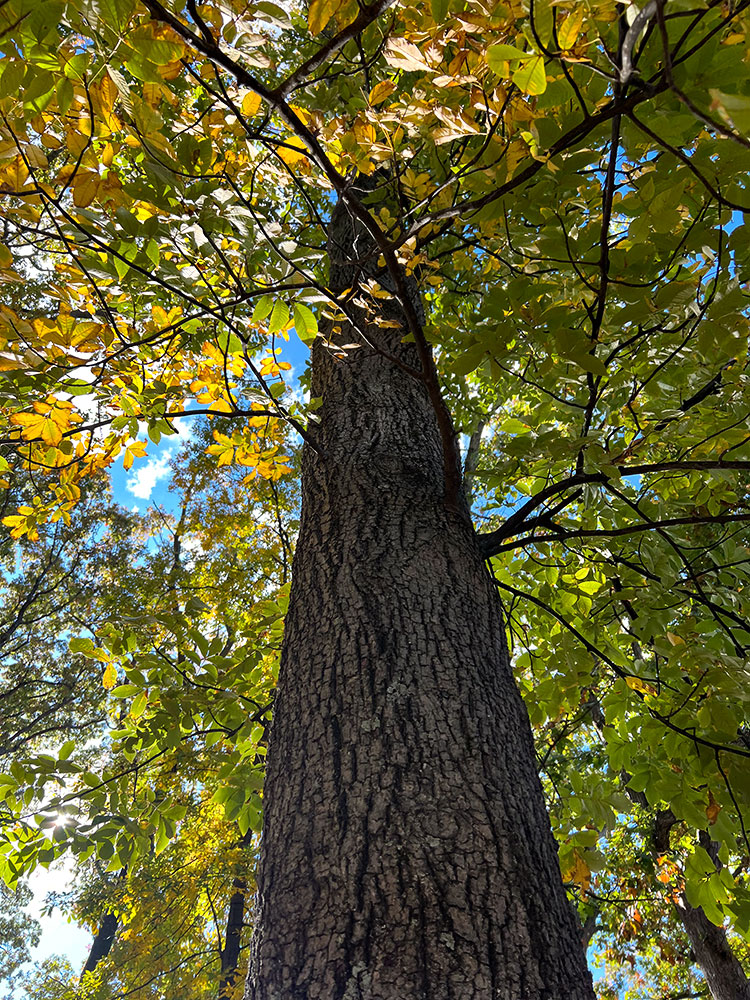
The Mockernut Hickory develops a tall, straight trunk with deeply furrowed gray bark and a broad, rounded crown. Its compound leaves turn a rich golden yellow in autumn, and the tree produces a sweet, thick-shelled nut favored by wildlife and foragers alike.
This slow-growing, long-lived deciduous tree develops a deep taproot and performs best in rich, well-draining soil. Once established, it is naturally hardy, low-maintenance, and resistant to many common pests and diseases, making it a durable addition to any native landscape.
🌱 Growing & Care Information
- Light: Full sun to partial shade
- Soil: Rich, well-draining soil
- Water: Moderate; low maintenance once established
- Growth: Slow-growing, long-lived deciduous tree
- Climate: Temperate zones, Eastern United States native range
🌿 Why Grow Mockernut Hickory?
- Genuine heirloom, non-GMO native species
- Sweet, edible nut kernels
- Strong, durable hardwood prized for tool handles and furniture
- Vibrant golden-yellow fall foliage
- Naturally pest and disease resistant
- Excellent large-property shade tree
- Attracts squirrels, deer, and other wildlife
- Ideal for reforestation and native habitat projects
USDA Hardiness Zones: 5–9
Hickory Germination:
1) Soak — Soak seeds in room-temperature water for 24–48 hours to soften the outer shell and hydrate the embryo.
2) Stratify — Place soaked seeds in a sealed plastic bag with moist (not wet) sand, peat moss, or vermiculite. Refrigerate at 33–41°F (1–5°C) for 90–120 days. Check periodically to ensure the medium stays moist and to watch for early sprouting.
3) Plant — After stratification, plant seeds about 1–2 inches deep in well-draining soil, either outdoors in early spring or in a deep container to accommodate the taproot. Hickories develop a long taproot early, so avoid transplanting once seedlings are established.
4) Alternative — Fall Sowing — In climates with a natural cold winter, seeds can be planted directly outdoors in the fall, allowing natural winter cold to stratify them. Protect from rodents, as hickory nuts are a preferred food source for squirrels and other wildlife.
5) Germination Timing — Expect germination in spring following stratification.
Germinación de nogal americano:
1) Remojo: Remoje las semillas en agua a temperatura ambiente durante 24 a 48 horas para ablandar la cáscara y hidratar el embrión.
2) Estratificación: Coloque las semillas remojadas en una bolsa de plástico sellada con arena húmeda (no mojada), turba o vermiculita. Refrigere a 1-5 °C (33-41 °F) durante 90-120 días. Revise periódicamente para asegurarse de que el sustrato se mantenga húmedo y para detectar la germinación prematura.
3) Siembra: Después de la estratificación, siembre las semillas a una profundidad de 2.5 a 5 cm (1-2 pulgadas) en tierra con buen drenaje, ya sea al aire libre a principios de primavera o en un recipiente profundo que permita el desarrollo de la raíz principal. Los nogales americanos desarrollan una raíz principal larga desde el principio, por lo que se debe evitar el trasplante una vez que las plántulas estén establecidas.
4) Alternativa: Siembra de otoño: En climas con inviernos fríos naturales, las semillas se pueden sembrar directamente al aire libre en otoño, permitiendo que el frío invernal las estratifique. Protéjalas de los roedores, ya que las nueces de nogal americano son una fuente de alimento preferida para las ardillas y otros animales silvestres.
5) Momento de germinación: Se espera que la germinación ocurra en primavera, después de la estratificación.
Share