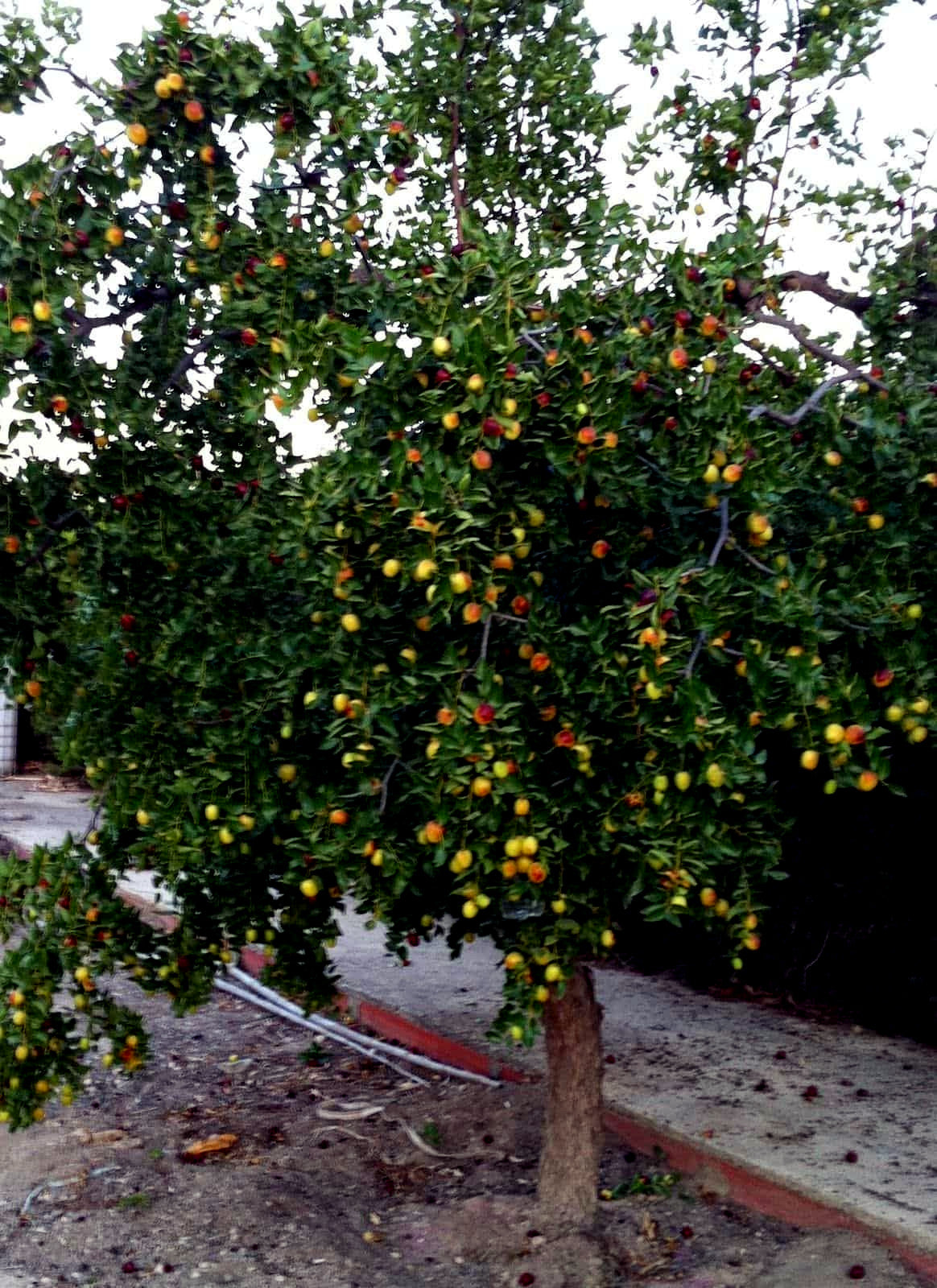
Jujube Fruit Tree Seeds (Ziziphus jujuba) – Red Chinese Date Hardy Fast-Growing Superfruit Tree
Jujube Fruit Tree Seeds (Ziziphus jujuba) – Red Chinese Date Hardy Fast-Growing Superfruit Tree
Couldn't load pickup availability
Red Jujube Tree Seeds - Chinese Date (Ziziphus jujuba)
The Jujube Tree (Ziziphus jujuba), also known as the Chinese Date or Indian Plum, is a fast-growing, highly productive fruit tree that has been cultivated for over 4,000 years. This hardy deciduous tree is prized for its delicious fruit and its ability to thrive in a wide range of climates and soil conditions.
Jujube trees are incredibly long-lived and may remain productive for over 100 years, often beginning to produce fruit as early as the second year. The tree can grow 30–40 feet tall and produces abundant crops of small, oval fruits that ripen from green to yellow, orange, and reddish-brown.
The fruit is highly versatile and can be eaten fresh, dried, or processed into juices, syrups, and preserves. Also known as a “superfruit,”
🌱 Growing & Care Information
Light: Full sun required
Soil: Well-drained soil; tolerates sandy, rocky, and clay soils
Water: Low to moderate; drought tolerant once established
Growth: Fast-growing tree or large shrub
Climate: Extremely adaptable; tolerates heat, cold, and dry conditions
Jujube trees are exceptionally tough and adaptable, capable of growing in desert, tropical, and even cooler climates. They produce zigzagging branches with glossy green leaves and small clusters of greenish-yellow flowers that attract pollinators.
🌿 Why Grow Jujube Tree?
• Fast-growing, highly productive fruit tree
• Begins fruiting early and produces for decades
• Superfruit
• Extremely drought tolerant and adaptable
• Suitable for a wide range of climates and soils
USDA Hardiness Zones: 6–11
JuJube Germination:
Cold Stratify the Seeds
1) Wrap the jujube stones in moist sphagnum moss and place them inside a sealable plastic bag. Leave the bag open 1 inch to allow excess moisture to escape. Store the seeds in the refrigerator for 90 days to cold stratify. Moisten the sphagnum moss whenever it feels barely damp. Only moist, never wet as that will rot the seeds.
2) Place them in a bowl & cover them with just-boiled water and soak them for 24 to 36 hours.
3) Rub the side of each jujube stone with a steel rasp until a small hole forms or gently crack the endocarp with a handheld nutcracker. This is known as scarifying the seed. It weakens the endocarp, or hard outer layer, so the seed inside will germinate faster.
4) It is Very Important to "mimic their natural conditions" and provide alternating temperatures for optimal germination rates. Simply use a heated propagator to keep temperatures of 80 F during the day, and drop it to 60 F at night. Sow the seeds in 4" pots appx. 1/2" deep, then water to ensure the soil settles.
5) Watch for germination in three to four weeks.
Germinación de azufaifo:
Estratificación en frío de las semillas
1) Envuelva los huesos de azufaifo en musgo sphagnum húmedo y colóquelos dentro de una bolsa de plástico sellable. Deje la bolsa abierta 1 pulgada para permitir que escape el exceso de humedad. Guarde las semillas en el refrigerador durante 90 días para estratificar en frío. Humedezca el musgo sphagnum siempre que se sienta apenas húmedo. Solo húmedo, nunca mojado, ya que eso pudrirá las semillas.
2) Colóquelas en un recipiente y cúbralas con agua recién hervida y déjelas en remojo durante 24 a 36 horas.
3) Frote el lado de cada hueso de azufaifo con una escofina de acero hasta que se forme un pequeño orificio o rompa suavemente el endocarpio con un cascanueces de mano. Esto se conoce como escarificación de la semilla. Debilita el endocarpio, o capa exterior dura, por lo que la semilla en el interior germinará más rápido.
4) Es muy importante "imitar sus condiciones naturales" y proporcionar temperaturas alternas para tasas de germinación óptimas. Simplemente use un propagador calentado para mantener temperaturas de 80 °F durante el día y bajarlas a 60 °F por la noche. Siembre las semillas en macetas de 4" de aproximadamente 1/2" de profundidad, luego riegue para asegurarse de que la tierra se asiente.
5) Espere a que germine en tres o cuatro semanas.
Share