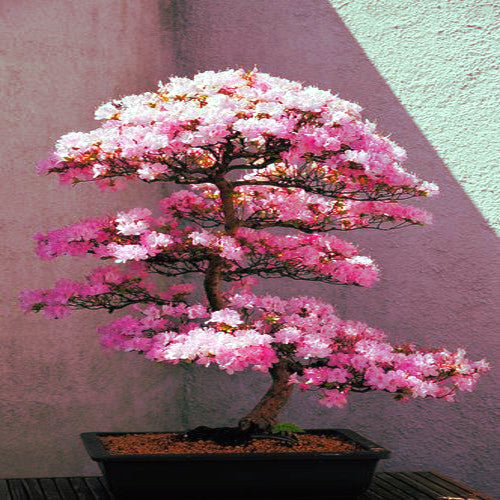
Japanese Sakura Cherry Blossom Tree Seeds (Prunus sargentii) Hardy Pink Flowering Ornamental Tree
Japanese Sakura Cherry Blossom Tree Seeds (Prunus sargentii) Hardy Pink Flowering Ornamental Tree
Couldn't load pickup availability
Japanese Sakura Cherry Blossom Tree Seeds (Prunus sargentii)
The Prunus sargentii, commonly known as Japanese Sakura Cherry or Sargent’s Cherry, is one of the most admired ornamental flowering trees in the world, prized for its spectacular spring cherry blossoms and brilliant seasonal color. Native to Japan, Korea, and parts of Russia, this elegant flowering cherry has long been associated with traditional Japanese gardens, Sakura festivals, and symbolic celebrations of spring.
Known for its breathtaking display of vibrant pink blossoms, Japanese Sakura Cherry produces masses of flowers in early spring before or alongside the emergence of fresh foliage. The blossoms create an unforgettable ornamental display that has made Sakura trees internationally famous and widely planted in parks, landscapes, and bonsai collections.
This species develops into a broad dense-crowned deciduous tree typically reaching 26–39 feet tall under natural growing conditions. During the growing season, the tree displays glossy green foliage that transforms into brilliant shades of bronze, orange, and red during autumn.
Japanese Sakura Cherry trees are especially valued for their historical and cultural significance. Famous plantings in Washington D.C.’s Potomac Park originated from cherry trees gifted by Japan in 1912 as a symbol of friendship and goodwill between nations.
Small dark ornamental fruits may appear after flowering and are highly attractive to birds and wildlife, though generally considered inedible for human consumption.
🌱 Growing & Care Information
Light: Full sun preferred
Soil: Moist, well-drained acidic soil
Water: Moderate; prefers evenly moist conditions
Growth: Moderate-growing deciduous ornamental tree
Climate: Cold hardy temperate climates
Japanese Sakura Cherry performs best in sunny locations with fertile well-drained soil and is highly valued as both a landscape specimen and ornamental bonsai subject. Its dense branching structure and seasonal flowering make it one of the finest flowering trees for ornamental gardening.
🌿 Why Grow Japanese Sakura Cherry?
• Spectacular pink spring cherry blossoms
• Brilliant red and bronze fall foliage
• Excellent ornamental landscape specimen
• Highly prized traditional bonsai tree
• Hardy and adaptable flowering cherry
• Attracts birds and pollinators
• Famous Japanese cultural symbol
• Stunning seasonal color throughout the year
Japanese Sakura Cherry remains one of the world’s most celebrated flowering ornamental trees and continues to symbolize beauty, renewal, and the arrival of spring.
USDA Hardiness Zones: 5–8
Sakura Germination:
1) Cut several small but not too deep places into the hard shell. This will allow proper water penetration.
2) Allow the seeds to soak in water for 24 hours, then place into a bag of moist (not too wet) peat moss or vermiculite & seal.
3) Place them into the fridge around 40 degrees for 90 days. Place a few small holes in the bag so it can breath just a bit, and be sure to check it periodically to be sure it doesn't dry out. Keep it moist at all times, but never wet.
4) Plant appx. 1/4" inches deep in moist well draining soil. Use a heated propagator mat for the first few weeks keeping the soil & roots around 70 degrees F.
5) Expect germination within 12-21 days after planting.
Germinación de las flores de cerezo:
1) Haz varios cortes pequeños, pero no demasiado profundos, en la cáscara dura. Esto permitirá que el agua penetre adecuadamente.
2) Deja que las semillas se remojen en agua durante 24 horas, luego colócalas en una bolsa con turba húmeda (no demasiado mojada) o vermiculita y séllala.
3) Colócalas en el refrigerador a unos 40 grados durante 90 días. Haz algunos agujeros pequeños en la bolsa para que pueda respirar un poco y asegúrate de revisarla periódicamente para asegurarte de que no se seque. Mantenla húmeda en todo momento, pero nunca mojada.
4) Plántalas a aproximadamente 1/4" de profundidad en tierra húmeda con buen drenaje. Usa una estera de propagación calentada durante las primeras semanas manteniendo la tierra y las raíces a unos 70 grados F.
5) Espera la germinación dentro de los 12 a 21 días posteriores a la plantación.
Share