Chaste Tree Seeds (Vitex agnus-castus) Monks Pepper | Fast Growing Hardy Ornamental Lilac Purple Flowering Shrub
Chaste Tree Seeds (Vitex agnus-castus) Monks Pepper | Fast Growing Hardy Ornamental Lilac Purple Flowering Shrub
Couldn't load pickup availability
CHASTE TREE SEEDS (Vitex agnus-castus) Monks Pepper Fast Hardy Lilac Flower
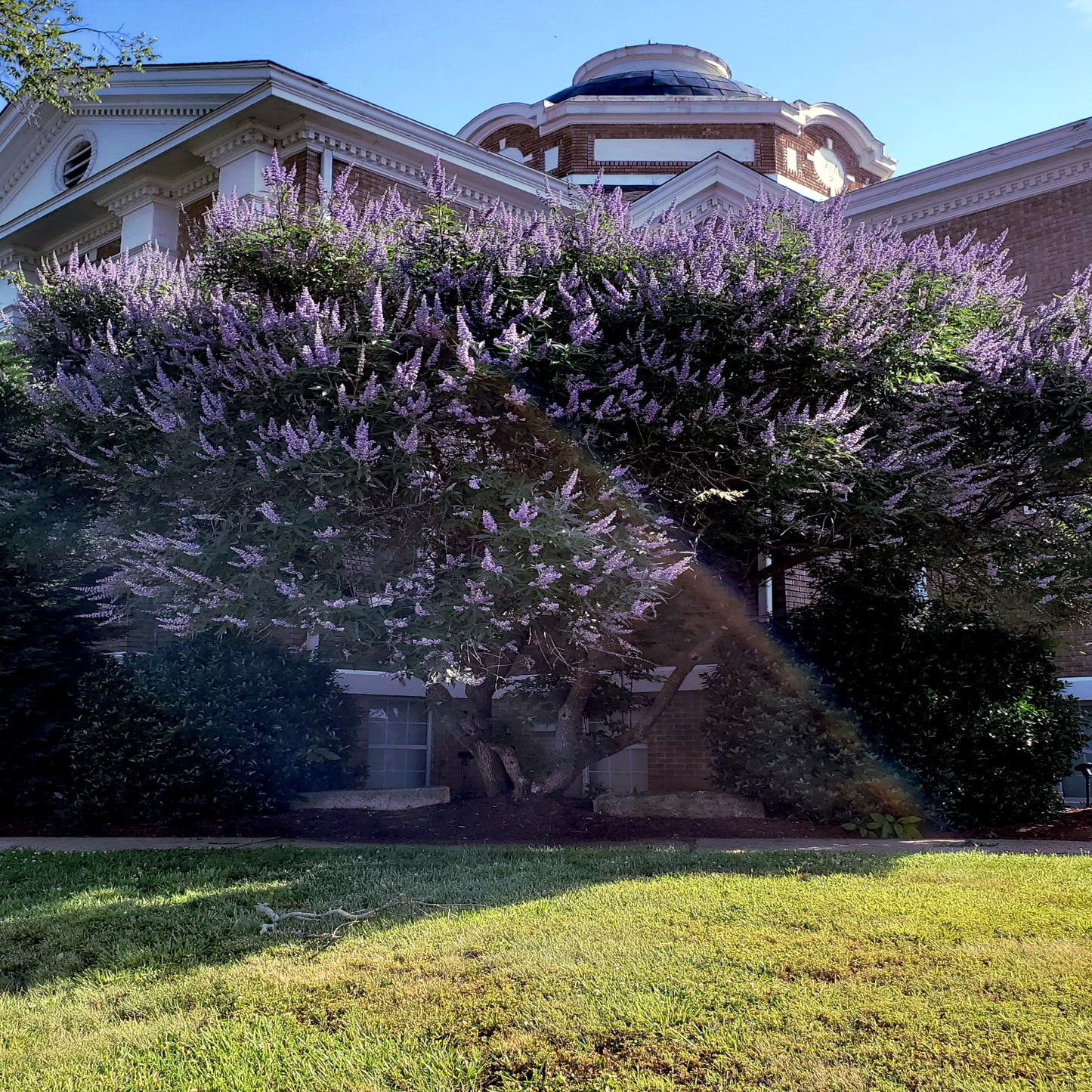
The Vitex agnus-castus, commonly known as Chaste Tree or Monk’s Pepper, is a highly valued ornamental flowering shrub or small tree prized for its long blooming season, drought tolerance, and abundant fragrant lilac-purple flower spikes. Native to the Mediterranean region and Western Asia, this classic landscape plant has been widely cultivated in gardens worldwide for its beauty, resilience, and pollinator appeal.
Known for its elegant airy growth habit and long panicles of violet to lilac flowers, Chaste Tree is widely used in butterfly gardens, pollinator plantings, hedges, and ornamental landscapes. Its aromatic blooms attract bees, butterflies, and other beneficial insects throughout the summer season, making it an excellent ecological garden plant.
This species typically grows 8–20 feet tall with a similar spread, forming a multi-stemmed shrub or small tree. The bark is smooth and grey on young growth, becoming more fissured and darker with age, giving the plant added ornamental character even in winter.
The fragrant violet-blue to lilac flower spikes (3–6 inches long) are produced on new growth and bloom from early summer through early fall. Regular deadheading encourages repeat blooming and extends the flowering season significantly.
🌱 Growing & Care Information
Light: Full sun to partial shade
Soil: Well-drained soil; adaptable to most types
Water: Low to moderate; drought tolerant once established
Growth: Fast-growing deciduous shrub or small tree
Climate: Heat tolerant and cold hardy to approximately -9°F
Chaste Tree thrives in hot, dry climates and performs exceptionally well in Mediterranean and temperate regions. It is highly resistant to drought once established and is generally unbothered by humidity, wind, or poor soils as long as drainage is adequate.
🌿 Why Grow Chaste Tree?
• Long blooming lilac-purple flower spikes
• Excellent butterfly and bee attractor
• Highly drought tolerant once established
• Cold hardy and heat resistant
• Fast growing ornamental shrub or small tree
• Deer resistant landscape plant
• Ideal for pollinator gardens and xeriscaping
• Aromatic summer flowering display
Chaste Tree is one of the most reliable summer-flowering ornamental shrubs, valued for its extended bloom period, toughness, and striking lavender-like floral display.
USDA Hardiness Zones: 6–9
Chaste Germination:
1) Scarify the seeds lightly with sandpaper.
2) Let them soak 24 hours in warm water. Using a thermos will help greatly.
3) Cold stratify by placing in a zip lock bag with moist perlite or vermiculite, and place in the fridge for 90 days. Place a few small holes to allow for air circulation and periodically check to ensure they stay "slightly moist", but never wet.
4) Use a heated propagator mat to keep the soil around 75 degrees F., and plant the seeds no more than 1/16" of an inch deep.
5) Keep slightly moist and expect germination to occur within 2-3 weeks.
Germinación casta:
1) Escarifique las semillas ligeramente con papel de lija.
2) Déjelas en remojo durante 24 horas en agua tibia. El uso de un termo ayudará mucho.
3) Estratifique en frío colocándolas en una bolsa con cierre hermético con perlita o vermiculita húmeda y colóquelas en el refrigerador durante 90 días. Haga algunos agujeros pequeños para permitir la circulación del aire y verifique periódicamente para asegurarse de que se mantengan "ligeramente húmedas", pero nunca mojadas.
4) Use una estera de propagación calentada para mantener la tierra a unos 75 grados F y plante las semillas a no más de 1/16 de pulgada de profundidad.
5) Manténgalas ligeramente húmedas y espere a que germinen en 2 o 3 semanas.
Share