Sisal Agave Seeds (Agave sisalana) – Rare Century Plant Succulent | Exotic Drought-Tolerant Landscape Plant
Sisal Agave Seeds (Agave sisalana) – Rare Century Plant Succulent | Exotic Drought-Tolerant Landscape Plant
Couldn't load pickup availability
Sisal Agave Seeds (Agave sisalana)
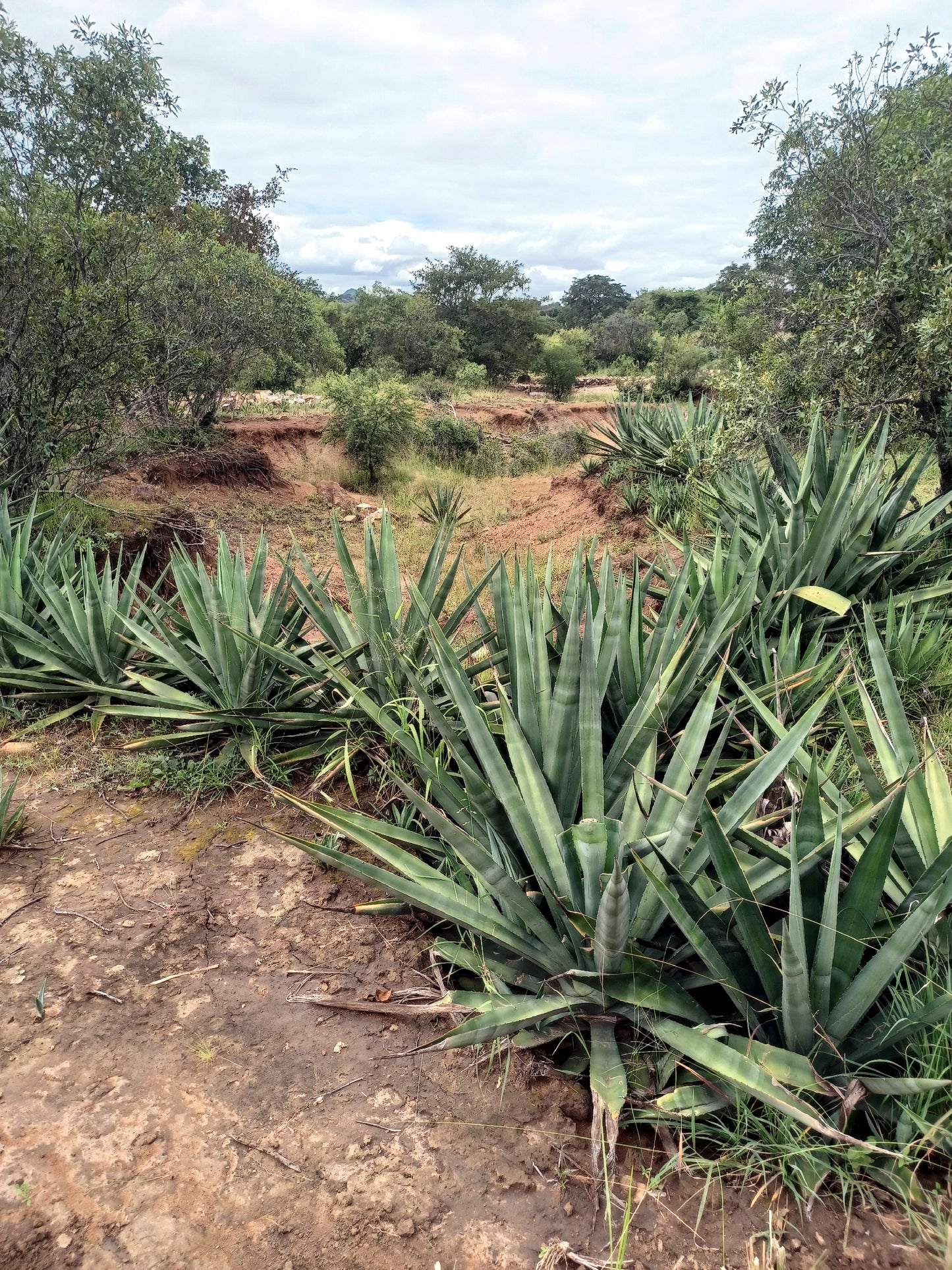
The Sisal Agave (Agave sisalana) is a striking and rare succulent known for its bold architectural form, drought tolerance, and dramatic sword-shaped foliage. Often called a Century Plant, this exotic species creates a powerful focal point in desert landscapes, xeriscapes, and large containers.
This fast-growing agave forms a symmetrical rosette of stiff, upright leaves that can reach impressive size in warm climates. Mature plants may grow up to 6–8 feet tall and wide, producing thick dagger-like foliage that gradually arches outward with age, giving the plant its distinctive sculptural shape.
Native to tropical and subtropical regions, Sisal Agave thrives in hot, sunny environments and is exceptionally tolerant of poor soils, drought, and heat. It is well suited for container growing in cooler climates, where it can be moved indoors during winter months.
🌱 Growing & Care Information
Light: Full sun preferred; tolerates partial sun or filtered light
Soil: Well-drained sandy, loamy, or rocky soil
Water: Low to moderate; drought tolerant once established
PH: Prefers slightly acidic soil but tolerates neutral to mildly alkaline
Climate: Best in warm, dry environments
Winter Care: Protect from frost or grow in containers in cooler zones
This hardy succulent is valued for its toughness, minimal care needs, and dramatic desert appearance. Once established, it requires little maintenance and performs well in xeriscape plantings or dry gardens.
🌵 Why Grow Sisal Agave?
• Rare and exotic architectural succulent
• Extremely drought tolerant and low maintenance
• Ideal for desert landscapes and xeriscaping
• Excellent container specimen for patios
• Bold, sculptural focal plant for modern gardens
USDA Hardiness Zones: 9–11 (Container plant in colder climates)
Agave Germination:
1) Soak seeds for 24 hours in "Distilled water". (Do not use tap water)
2) Use a cactus soil mix. Bake soil in the oven at 350 degrees F. for 30 minutes to ensure it is "completely sterile."
3) Lightly cover with no more than 1/8" of "sterilized sand" Do not cover them completely as Agave seeds need light in order to germinate. Place in a window with filtered light, or use a grow lamp.
4) Use a heated propagator to keep the temperature at 80 degrees during the day. Turn it off at night for fluctuating temperatures as this mimics their natural conditions, and will greatly improve germination rates.
5) Be sure soil is moist, not wet at all times, being sure to never let it dry out.
6) Cover with plastic to help retain moisture & humidity, and using a spray bottle to lightly mist down the soil as needed. Just enough to keep it moist. Wet soil will rot the seeds, so only keep it slightly moist at all times.
7) Agave germination is erratic, so seeds will sprout at different times. Expect to see some sprouts within 14-21 days, but don't toss out any that don't sprout early, as they are still good, and just need a bit more time to sprout.
"If you Need Anything, Please Contact us First"
Germinación de agave:
1) Remojar las semillas durante 24 horas en “agua destilada” (no usar agua del grifo)
2) Usar una mezcla de tierra para cactus. Hornear la tierra a 350 grados F durante 30 minutos para asegurarse de que esté “completamente esterilizada”.
3) Cubre ligeramente con no más de 1/8" de "arena esterilizada". No las cubras por completo, ya que las semillas de agave necesitan luz para germinar. Colócalas en una ventana con luz filtrada o usa una lámpara de cultivo.
4) Usa un propagador calentado para mantener la temperatura a 80 grados durante el día. Apágalo por la noche si hay temperaturas fluctuantes, ya que esto imita sus condiciones naturales y mejorará en gran medida las tasas de germinación.
5) Asegúrate de que la tierra esté húmeda, no mojada en todo momento, asegurándote de nunca dejar que se seque.
6) Cubre con plástico para ayudar a retener la humedad y usa una botella rociadora para rociar ligeramente la tierra según sea necesario. Solo lo suficiente para mantenerla húmeda. La tierra húmeda pudrirá las semillas, así que mantenla solo ligeramente húmeda en todo momento.
7) La germinación del agave es errática, por lo que las semillas brotarán en diferentes momentos. Espera ver algunos brotes dentro de los 14 a 21 días, pero no deseches los que no broten temprano, ya que todavía están buenos y solo necesitan un poco más. Es hora de que broten los brotes.
"Si necesitas algo, por favor, contáctanos primero"
Share